
Lab Equipment Appraisal
Precision Lab Appraisals provides USPAP-compliant laboratory and scientific equipment appraisals for tax, legal, insurance, and financial reporting purposes - completed efficiently through desktop review or onsite inspection.
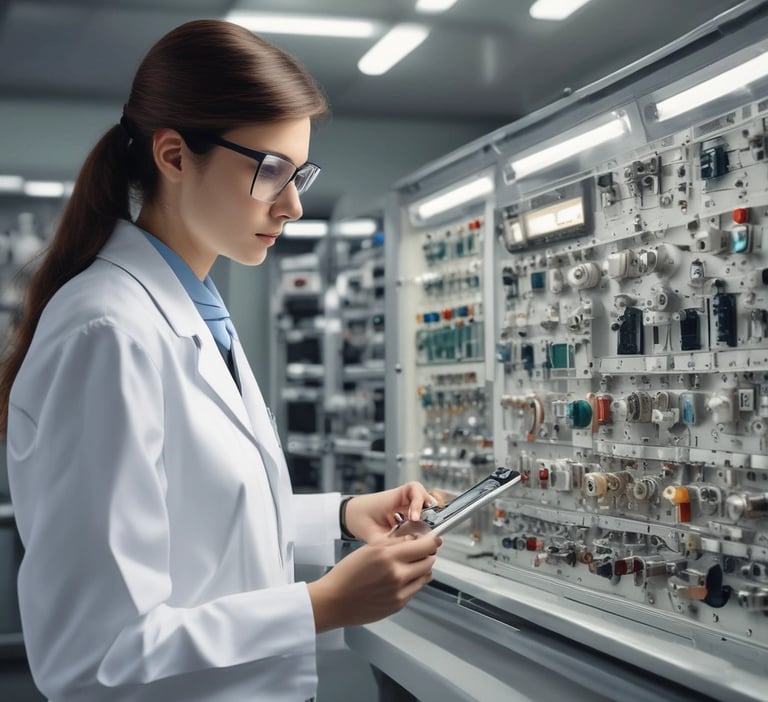
USPAP-Compliant Lab Equipment Appraisals for Legal & IRS Purposes
IRS & Finance Teams
CPAs, Audit Teams, Internal Revenue Service, and Attorneys
For Divorce, Legal Claims, Estate Settlements, and Probate
Insurance and business lenders for policy renewal or asset-backed loans
Legal & Estates
Insurance & Lenders










and many more!
Precision Lab Appraisals provides professional laboratory and scientific equipment appraisal services for research institutions, healthcare providers, biotech and pharmaceutical companies, universities, lenders, attorneys, accountants, and financial institutions nationwide. Our certified equipment appraisers deliver defensible, well-supported valuations for analytical instruments, diagnostic systems, chromatography units, mass spectrometers, microscopes, centrifuges, cleanroom equipment, testing systems, and other specialized laboratory assets.
We support estate planning, charitable contributions, equipment financing, insurance claims, partnership restructurings, litigation, bankruptcy proceedings, and tax reporting with USPAP-compliant appraisal reports. Assignments may be completed onsite or through a structured desktop review process, depending on the complexity, location, and scope of the engagement.
Whether you need a valuation for a single high-value instrument, surplus lab equipment, or a comprehensive appraisal of an entire research facility, Precision Lab Appraisals combines technical expertise, verified market data, and efficient turnaround times to deliver accurate, defensible equipment valuations you can rely on.
Lab Equipment Appraisal Services You Can Trust
I was looking for an appraisal and time was of the essence. They got the job done in only a few days with excellent customer service. Great business to work with.
We were amazed at their professionalism in working with us and the quality of the final appraisal report. And all for thousands less than other appraisers.
Gary T.
★★★★★
★★★★★
Fresno, CA
We were very satisfied with the results - fast and efficient communication, understanding our company's needs, on-time delivery of the report, as well as reasonable price point. Highly recommend.
★★★★★
San Francisco, CA
Ekaterina M.
Rick H.
Peru, NY
Five-star reviews from dozens of clients
Certified Laboratory Equipment Appraisers
American Society of Appraisers
1,000+
5⭐
Five-star service
Appraisals completed annually
The Appraisal Foundation
Certified Appraisers Guild of America



Precision Lab Appraisals works with USPAP-compliant laboratory equipment appraisal specialists holding recognized credentials through organizations such as the ASA and other professional appraisal bodies. Our team combines technical understanding of scientific instrumentation with rigorous valuation methodology to deliver credible and supportable reports.
Types of Laboratory & Scientific Equipment We Appraise
Precision Lab Appraisals provides valuations for a broad range of laboratory, medical, research, and testing equipment nationwide, including:
Analytical & Instrumentation Systems
Chromatography systems (HPLC, UHPLC, GC)
Mass spectrometers (LC-MS, GC-MS, MALDI-TOF)
Spectrometers (ICP, FTIR, UV-Vis, NMR)
Elemental analyzers and particle size analyzers
X-ray diffraction (XRD) and X-ray fluorescence (XRF) systems
Diagnostic & Clinical Laboratory Equipment
Hematology and chemistry analyzers
Immunoassay and molecular diagnostic systems
PCR and qPCR instruments
Blood bank and microbiology equipment
Pathology and histology systems
Research & Biotech Laboratory Equipment
Bioreactors and fermenters
Cell culture and tissue culture equipment
Incubators and environmental chambers
Biosafety cabinets and laminar flow hoods
Autoclaves and sterilization systems
Microscopy & Imaging Systems
Optical and digital microscopes
Fluorescence and confocal microscopes
Electron microscopy systems (SEM, TEM)
Imaging software and integrated analysis platforms
Sample Preparation & Laboratory Support Equipment
Centrifuges (benchtop and floor models)
Ultra-low temperature freezers and refrigerators
Balances and analytical scales
Water purification systems
Shakers, mixers, and homogenizers
Cleanroom, Testing & Quality Control Equipment
Environmental testing chambers
Stability testing systems
Metrology and calibration equipment
Material testing systems
Pharmaceutical and GMP-compliant laboratory assets
Surplus, Facility & Specialty Assets
Complete laboratory build-outs and facility equipment
University and institutional research lab assets
Pharmaceutical production lab systems
Quality assurance and compliance testing equipment
Accessories, attachments, and integrated software systems
Lab Equipment Valuation Services for Financing, Tax & Legal Uses
Financing & Transactions
Bank financing & loan collateral
Asset-based lending
Buy / sell situations
Business planning
Mergers & acquisitions
Purchase price allocation (ASC 805)


Tax & Compliance
IRS Form 8283 charitable donations
Estate tax & estate settlement
Gift tax
Depreciation scheduling
Financial audit & review needs
Insurance, Legal & Restructuring
Insurance claims & coverage
Bankruptcy
Litigation & dispute matters
Divorce matters
Liquidation estimates
Lab Equipment Appraisals provides defensible laboratory and scientific equipment valuations supporting lenders, audit teams, insurers, attorneys, research institutions, healthcare organizations, and biotech companies across financing, tax compliance, insurance claims, litigation, restructuring, and transactional use cases.
Our appraisal reports are structured to meet the requirements of financial institutions, regulatory bodies, and legal professionals who rely on accurate and well-documented equipment values. Whether supporting asset-backed lending, charitable contributions, financial reporting, partnership buyouts, or dispute resolution, we deliver USPAP-compliant valuations designed to withstand third-party review and scrutiny.
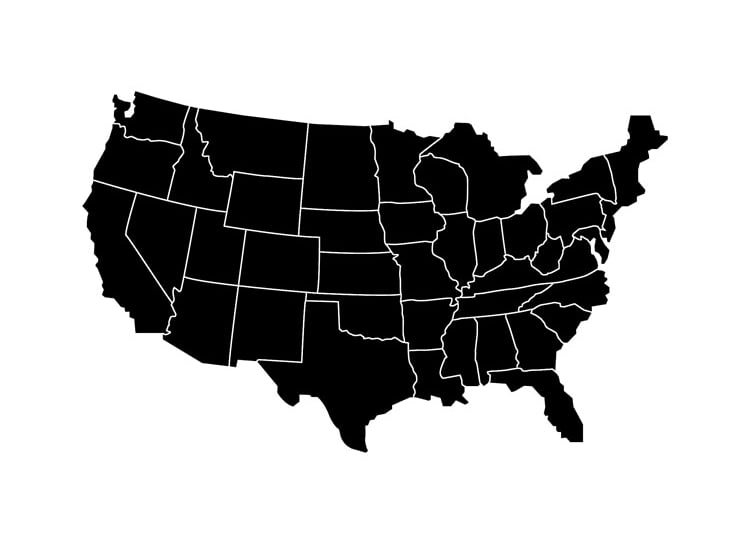
Lab Equipment Valuation Services in all 50 States
Northeast
Connecticut
Maine
Massachusetts
New Hampshire
Rhode Island
Vermont
New Jersey
Pennsylvania
West
Arizona
Colorado
Idaho
Montana
Nevada
New Mexico
Utah
Wyoming
Oregon
Washington
Alaska
Hawaii
South
Delaware
Georgia
Maryland
North Carolina
South Carolina
Virginia
West Virginia
Alabama
Kentucky
Mississippi
Tennessee
Arkansas
Louisiana
Oklahoma
Texas
Midwest
Illinois
Indiana
Michigan
Ohio
Wisconsin
Iowa
Kansas
Minnesota
Missouri
Nebraska
North Dakota
South Dakota

Frequently asked questions (FAQs) about lab equipment appraisals
How is fair market value of laboratory equipment determined?
The fair market value of laboratory equipment is determined by analyzing the instrument’s age, condition, service history, calibration status, technological relevance, remaining useful life, original acquisition cost, and current market demand.
Appraisers review recent secondary market sales of comparable analytical instruments, diagnostic systems, or research equipment and adjust for configuration differences, installed options, software versions, and overall functionality. Factors such as manufacturer support, parts availability, and industry demand within biotech, healthcare, or academic sectors may also influence value.
What are the 7 steps of the appraisal process?
The seven primary steps used in the laboratory equipment appraisals are:
Define scope and intended use
Identify and document assets
Determine the appropriate standard of value
Gather market and technical data
Apply valuation methodologies
Reconcile conclusions
Prepare and deliver the written report
How much does a lab equipment appraisal cost?
Laboratory equipment appraisal fees are scope-based and depend on the number of assets, technical complexity, intended use, and whether an onsite inspection is required. Highly specialized analytical instruments, integrated lab systems, or multi-location research facilities typically require more extensive market research and documentation.
Single high-value laboratory instrument appraisals generally start between $295 and $395. Small lab inventories or grouped scientific equipment sets often range from $995 to $2,200. Larger facilities involving 50 or more assets — particularly when multiple equipment categories or onsite inspections are required - typically range from $5,000 to $10,000+.
Final pricing is provided as a fixed fee after reviewing asset details to ensure the appraisal is properly scoped, documented, and USPAP-compliant for its intended purpose.
How can I find out what my lab equipment is worth?
To determine the value of laboratory equipment, a qualified appraiser evaluates the instrument’s condition, age, usage history, calibration records, maintenance documentation, configuration details, and current secondary-market activity. This includes reviewing auction results, dealer listings, surplus sales, manufacturer resale programs, and replacement cost data for comparable models. Technological obsolescence, software compatibility, and the availability of manufacturer support are also considered, as these factors can significantly influence resale demand and value.
While online listings may provide general pricing context, they rarely reflect verified transaction data. A professional laboratory equipment appraisal delivers a defensible opinion of value supported by documented market evidence and recognized valuation methodology suitable for financing, tax reporting, insurance, or legal purposes.
How long does a lab equipment appraisal take?
Most lab equipment appraisals are completed within a few business days once all required information is received.
Larger research facilities, multiple asset groups, specialized analytical systems, or assignments requiring onsite inspection may require additional time.
Are Precision Lab Appraisals reports USPAP-compliant?
Yes. Laboratory and scientific equipment appraisals are prepared in accordance with the Uniform Standards of Professional Appraisal Practice (USPAP) when required by the engagement. USPAP compliance ensures the valuation follows recognized professional standards, including a defined scope of work, appropriate methodology, documented market research, and clearly stated assumptions and limiting conditions.
How do I find out what an item is worth?
A qualified appraiser evaluates condition, specifications, calibration status, service history, and current secondary market demand. Accurate value determination requires verified comparable sales and documented analysis.
How to calculate resale value of equipment?
Resale value is determined by analyzing comparable secondary market transactions and adjusting for condition, age, configuration, and technological obsolescence.
What are the uses of laboratory equipment?
Laboratory equipment is used to analyze samples, conduct research, perform diagnostic testing, support product development, and ensure regulatory compliance across scientific and medical environments. Instruments such as chromatography systems, mass spectrometers, and spectrometers are used for chemical analysis, while diagnostic analyzers and molecular testing systems support clinical decision-making and patient care.
Research laboratories rely on incubators, bioreactors, microscopes, and environmental chambers to conduct experiments and develop new treatments or technologies.
Precision Lab Appraisals
Fast & Easy USPAP-Compliant Lab Appraisals
Contact Us
© 2026. All rights reserved.


Ready to start your appraisal?
Learn More
Appraisal Pricing
About Us
443 Park Ave S, 1004
New York, NY 10016